People are often surprised when they hear I went from food science to digital transformation. The most common response I get isn’t “That’s interesting”.
It’s “Why did you leave food science for IT? Aren’t they completely unrelated?”
I usually explain that I still work with science-driven organizations, like food companies, laboratories, R&D and quality teams, so my world never really left the lab.
It just shifted.
But recently, I’ve realized something else:
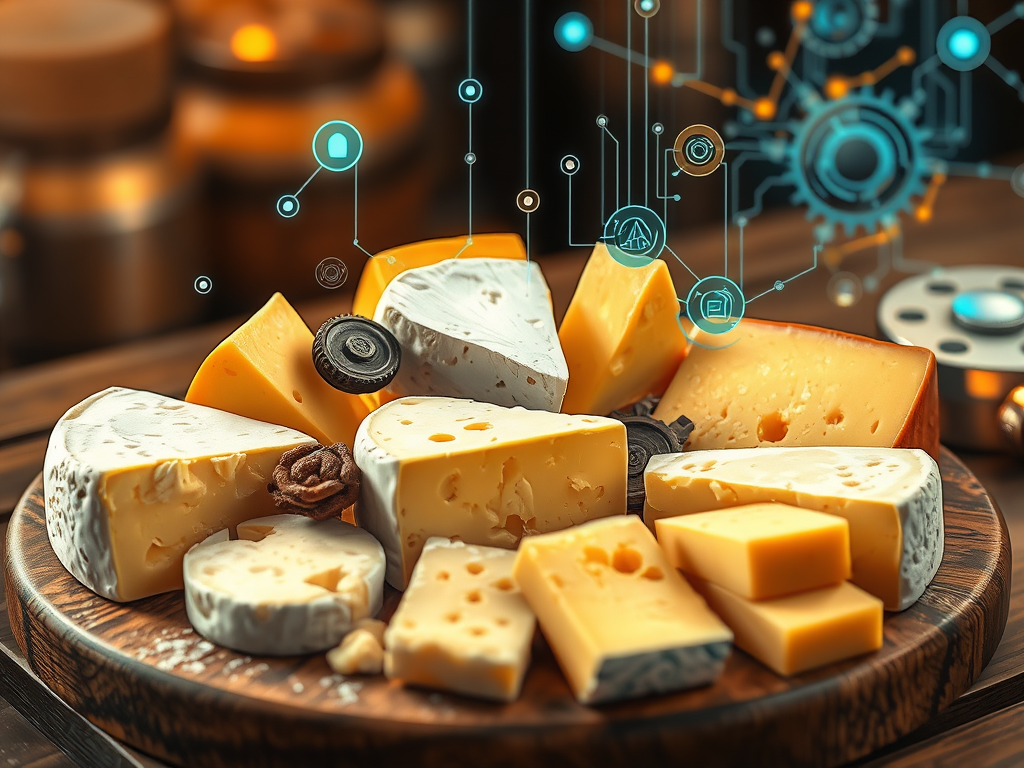
Digital transformation has a lot in common with cheese.
More than you’d expect.
And once you see the parallels, you can’t unsee them.
Here are a few lessons cheese offers for leaders, teams, and anyone navigating change.
1. Conditions Determine the Outcome
People rarely think about this when eating cheese, but structurally speaking, cheese is architecture. Milk components don’t just “become cheese”. They rearrange under the right conditions, things like pH, temperature, enzymes, and timing.

Cheeses all start with milk, but there are completely different outcomes depending on how the structure forms.
Digital transformation works similarly.
Most organizations already have talented people, plenty of data and decent tools.
But without the right conditions, such as clear workflows, supportive leadership, and aligned goals, none of it holds together.
Cheese rule #1:
“A good outcome depends on the conditions surrounding it.”
2. Culture Shapes Everything
In cheese making, the culture you add dictates almost everything:
- Brie vs Camembert → same general method, slightly different surface cultures + production specs
- Yogurt vs kefir → same milk, different cultures → completely different texture/behavior
Tiny microbial decisions → huge differences.
Organizational cultures work in the same way.
You can use the same tools, same processes, same starting materials. But for different cultures …the results will be completely different.
Cheese rule #2:
“You can follow the same recipe, but culture determines the flavour.”
3. You Can’t Rush Transformation
Fermentation takes time. There’s no shortcut.
If you try to rush it, you get structural weaknesses or defects that appear later, such as bitterness and off-textures. Nothing like taste testing a cheese months later to find that the texture is off…
Essentially, you get problems that show up later in your cheese.
Those problems happen because the early steps weren’t stable.
And anyone who has made cheese before knows that you can’t fix fermentation mistakes once the structure has formed.

Digital transformation behaves much the same way.
When organizations try to rush through things like training, alignment, data cleaning and change communication…the “defects” show up weeks or months later. Instead of off-flavors and unappealing textures, you get confusion, rework, resistance, and frustration (come to think of it, you also get a lot of those when you screw up your cheese…).
Cheese rule #3:
“Speeding up the process usually means speeding up the problems.”
4. Small Variations Can Create Big Differences
Not every micro-variable matters when making cheese, but some small differences do:
- Changing heat treatment by 5–10°C → very noticeable texture change
- Cutting curd slightly smaller → more surface area → more whey loss → firmer cheese
- Adjusting stirring intensity or duration → impacts moisture and texture
- Slight shifts in pH target points → completely different body/texture
These are modest changes — not dramatic — but they genuinely reshape outcomes.
Digital transformation works with the same principle:
Minor adjustments to things such a single workflow step, a naming convention, and a data entry rule can cause or save hours of downstream confusion and frustration.
Cheese rule #4:
“Small, intentional adjustments can transform the final result.”
5. Environment Is an Active Ingredient
Some cheeses are fundamentally shaped by the environment they’re aged in, not the recipe:

Traditional Roquefort develops its distinct flavor because it is matured in specific natural Combalou caves (in southern France) with naturally occurring Penicillium roqueforti.
Many alpine cheeses are shaped by the ambient microflora in mountain cellars.
In other words:
The room the cheese lives in determines who it becomes.
Human systems aren’t much different. People adapt to team norms, communication styles, the leadership style, the expectations and the actual (not theoretical) working environment.
Cheese rule #5:
“Environment silently shapes behavior, for both microbes and teams.”
So Why Does Any of This Matter?
Because transformation, whether microbial or organizational, isn’t about dramatic gestures. It’s about:
- the conditions you set
- the cultures you cultivate
- the structures you build
- the environment you reinforce
- and small, consistent decisions.
Cheese teaches us that transformation is not an event. It’s a process shaped by everything around it. The milk matters, yes. But it’s the process conditions that are transformational.
Organizations are the same.
Tools matter, yes. But tools alone are not transformative. It’s the conditions around the tools that determine whether they succeed.
When the structure, culture, environment, and timing are right, that’s when the real magic happens.
A Question for You
Which “cheese rule” have you seen in your work, whether in science, tech, or somewhere unexpected?
I’d love to hear your examples — serious or humorous.
Leave a Reply