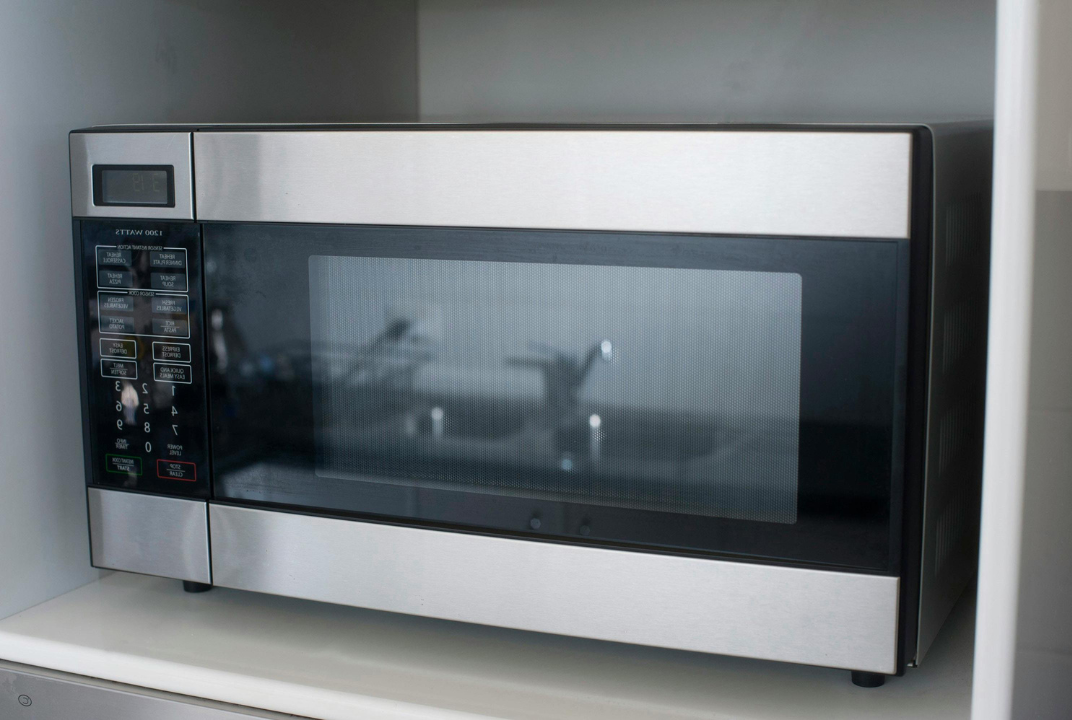
Yesterday I was standing in front of the microwave. There were ninety seconds left on the timer and I was already a little impatient. Which, when I actually think about it, is kind of absurd. Reheating food used to mean using the oven. Waiting fifteen minutes, bare minimum, and nobody thought much of it. That was just how long it took.
That’s the thing about convenience technologies. They don’t just make tasks faster. They actually move the baseline of what feels normal. And once that happens, the old pace doesn’t just feel slower. It starts to feel irritatingly wrong.
The Part That’s Easy to Miss
I really think the same shift is underway with generative AI tools.
It’s not so long ago that a blank page seemed like a giant obstacle. Writing a rough draft. Creating a summary of a long document. All these things took time, and that time felt like part of the work. Now they can happen fast enough that creating the first version of something starts to feel less like the main task and more like the starting point.
It’s crazy. Once that becomes your normal, going back feels insanely inefficient. And unnecessary.
What I find most worth paying attention to isn’t really the speed. It’s the next question: once the effort moves, where does it actually go?
The Effort Doesn’t Disappear — It Relocates
Microwaves didn’t eliminate the effort of feeding yourself. They moved it (away from you).
Some effort genuinely disappeared from the moment itself. Reheating food became faster, simpler, and less demanding. You no longer had to plan around preheating an oven or standing nearby checking whether something was drying out.

Microwaves helped make convenience foods far more practical. Frozen meals became easier to rely on during busy weeks.
Grocery stores adapted around that shift. Entire categories of food became designed specifically for speed and microwave preparation.
Much of the work moved upstream and away from the consumer. Into packaging, processing, food design, and the growing expectation that meals should fit more easily into compressed schedules.
And at the personal level, some effort moved into different kinds of decisions: what was worth cooking from scratch, what quality trade-offs felt acceptable, what counted as “too much effort” after a long day.
And I would say that’s what’s happening with AI tools too. In some cases more or less visibly.
For example, the effort that used to go into producing a first draft is starting to move toward evaluating it. Reading, correcting, finding where you can trust the output and when not. Deciding when to push back on it, like when something reads as polished but is actually off the mark. That’s the work. And weird thing is that it doesn’t always feel like work because it doesn’t look like the thing it replaced.
This is probably worth sitting with for a second.
Because if you’re not paying attention to where the effort went, it’s easy to assume it disappeared.
And then be surprised when things still take time, or still go wrong, in ways that you did not see coming.
What Stays Yours
There’s one more thing I find interesting about these technologies and how they change tasks.
Microwaves work best for tasks where consistency matters more than precision. Reheating soup. Warming leftovers.

Defrosting something quickly before dinner.
In those situations, speed and convenience usually matter more than preserving every detail of texture or quality.
But there are other situations where the trade-off becomes much more noticeable. Bread loses its crust. Fries go soft. A piece of roasted chicken reheated too quickly can end up technically warm while feeling strangely disappointing to eat. And trade-offs appear probably more often than you’d think, something I dove into in a post a couple weeks ago.
The thing is, the faster method of microwaving still works. It just stops being the better method for that particular task.
I think generative AI tools are creating a similar distinction. They are extremely useful for accelerating structured work: producing rough drafts, reorganizing information, summarizing material, creating starting points.

Tasks where speed and momentum are often more valuable than perfect precision on the first pass.
But the parts of work that depend heavily on context, judgment, taste, or reframing behave differently. Recognizing when something technically correct misses the point. Realizing the structure itself needs to change. Knowing when clarity matters more than speed.
Those decisions do not compress as easily because they depend on understanding the situation rather than simply producing output.
That part still belongs to the person using the tool.
Perhaps that’s the thing most worth noticing.
Not just that the pace is changing, but which parts of the work are changing with it — and which ones aren’t.
Leave a Reply